
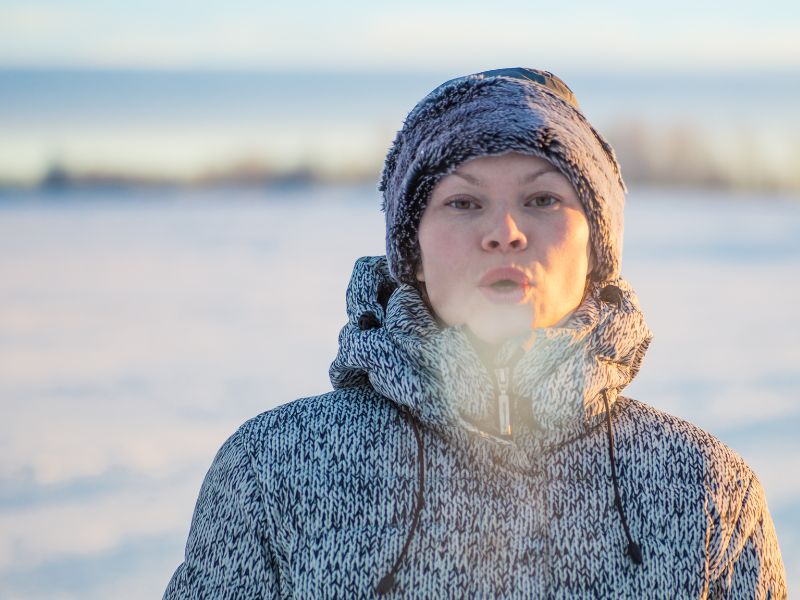
The air is crisp, the sweaters are cozy, and your lungs… aren’t thrilled.
If you’re living with a chronic lung condition like COPD or asthma, winter can turn each breath into a workout. The cold, dry air outside and the warm, dusty air inside both stress your respiratory system in different ways. Add in viruses, wood smoke, and the temptation to stay sedentary, and your lungs have their work cut out for them.
But winter doesn’t have to be a season of flare-ups. With a few smart, science-backed habits, you can protect your airways, stay active, and actually enjoy the chilly months ahead.
Why Winter Hits the Lungs So Hard
When temperatures drop, the air loses moisture. Cold air also irritates airway linings, causing them to tighten and produce extra mucus. That’s why people with asthma or COPD may cough, wheeze, or feel short of breath more often in winter.
At the same time, most of us spend more time indoors when it turns chilly outside. That means more exposure to dust mites, mold spores, and pet dander, along with dry air from heaters that can thicken mucus and make coughing less productive. Add in the increased circulation of flu and RSV viruses, and you’ve got the perfect storm for lung irritation.
1. Warm the Air Before You Breathe It
Before heading outside, bundle up like you mean it. Cover your mouth and nose with a scarf or breathable mask to warm the air before it hits your lungs. This warms and humidifies the air, making breathing easier.Keep your chest layered, and avoid sudden temperature swings (like going from a warm house to freezing wind) as much as possible.
If you use portable oxygen, keep tubing protected from the cold since condensation can freeze or kink. Try to limit outdoor time when the temperature drops below freezing or when the air feels sharp and dry.
2. Get Serious About Indoor Air Quality
Heaters, fireplaces, and closed windows create a perfect breeding ground for poor indoor air. Invest in a humidifier to keep indoor humidity around 30–50 percent, which helps thin mucus and keep your airways from drying out. Be sure to clean the tank weekly to prevent bacteria or mold buildup.
A HEPA filter or air purifier can remove irritants like dust and pet dander. If you decorate for the holidays, wipe down artificial trees and garlands before setting them up to keep dust at a minimum. While candles and fireplaces set the holiday mood, the smoke and soot can irritate your airways. Stick to flameless candles or switch to electric fireplaces for the same cozy effect without the lung strain.
3. Plan Ahead to Prevent Winter Flare-Ups
You can’t always control the weather, but you can control your readiness for it.
- Schedule a winter check-up. Have your provider review your medications, refill your prescriptions, and make sure your rescue inhaler isn’t expired.
- Clean your inhalers and spacers regularly. Residue buildup can make them less effective, and in winter, that’s the last thing you need.
- Keep a “lung bag” ready for travel. Include backup inhalers, hand sanitizer, a mask, and your insurance card in case you need care while away.
- Use a peak flow meter if you have asthma to monitor changes in your breathing, especially after going outdoors or during respiratory virus season.
4. Fuel and Hydrate for Better Breathing
Warm liquids like tea or broth can help soothe your throat and thin mucus. Staying hydrated also keeps airways moist from the inside out.
Try to eat foods rich in antioxidants and omega-3s (think salmon, leafy greens, and berries). These nutrients help reduce inflammation that can worsen lung symptoms.
Some studies show that regular breathing exercises like pursed-lip or diaphragmatic breathing can improve lung strength and reduce shortness of breath over time. Practice a few minutes each morning or before bed to keep your lungs in shape.
5. Protect Yourself from Viruses
Flu, RSV, and COVID-19 can all hit harder when you have a chronic lung condition. Get your flu and COVID boosters early in the season and talk to your doctor about the new RSV vaccine if you qualify.
Wash your hands often, disinfect shared surfaces, and avoid smoky or crowded spaces when possible. If someone around you is sick, it’s okay to skip the get-together and protect your health first.
Breathe Easy with America’s Best Care Plus
America’s Best Care Plus makes it easy to stay on top of your lung health by delivering respiratory medications and supplies straight to your door. No cold-weather pharmacy trips, no waiting in line, and no running out of supplies when you need them most. Contact our team to stay ahead of the chill and breathe easier all winter long.
FAQ: Winter Lung Health
Q: Why is cold air bad for COPD and asthma?
Cold air is dry, which irritates airway linings and triggers tightening (bronchoconstriction). This makes breathing harder for people with lung conditions. Warming the air before breathing and maintaining indoor humidity can help reduce flare-ups.
Q: Does a humidifier help with asthma or COPD in winter?
Yes, as long as it’s cleaned regularly. A humidifier keeps indoor air from becoming too dry, which helps reduce coughing, mucus buildup, and airway irritation. Aim for a humidity level between 30–50 percent.
Q: What’s the best way to prevent COPD flare-ups in cold weather?
Bundle up, take your medications consistently, stay hydrated, and avoid sudden temperature changes. Keep an updated action plan with your provider and refill your prescriptions before traveling or during busy holiday weeks.