
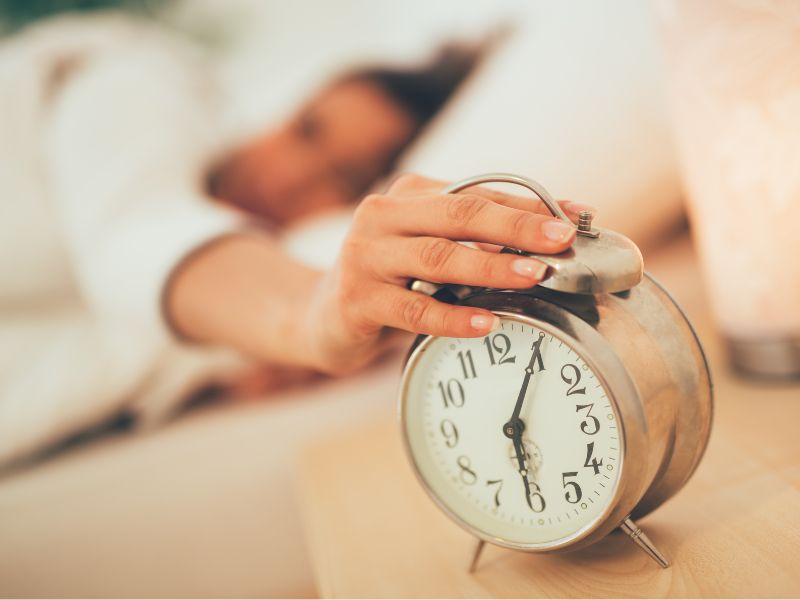
Every fall and spring, millions of us shift our clocks by one hour, but our bodies don’t always get the memo. Some people adjust within a day or two. Others feel off for a week, wondering why they’re groggier, crankier, or hungrier than usual.
So, does changing the time really affect your health? According to sleep and mental health experts, it can. The good news is that most effects are temporary, and there are easy ways to keep your routine and your health on track year-round.
Your Body Runs on Sunlight, Not the Clock
Inside your brain, a group of neurons called the suprachiasmatic nucleus acts as your body’s internal clock. This is called the circadian rhythm, and it takes cues from light exposure to regulate everything from sleep and hormones to digestion and body temperature. When we change the time, this clock doesn’t automatically reset, and that mismatch between social time and biological time can cause short-term ripple effects.
Most people feel it as mild sleepiness, irritability, or brain fog for a few days after the switch. But for those managing chronic health conditions, even small disruptions in sleep and routine can make symptoms feel worse or routines harder to manage.
Standard Time vs. Daylight Saving Time: What’s Healthier?
According to the American Academy of Sleep Medicine, our bodies naturally function best on standard time because it aligns daylight with our biological rhythms. Early morning light helps set our internal clock and improves sleep quality, alertness, and mood.
However, falling back to standard time can also feel tough emotionally because earlier sunsets mean less daylight exposure. Less daylight exposure affects serotonin and melatonin, which are the hormones that regulate mood, energy, and sleep. For some people, that’s a trigger for Seasonal Affective Disorder (SAD) or a general dip in motivation and energy.
That’s why experts suggest that instead of arguing over which time is “better,” it’s more helpful to focus on how to protect your body’s rhythm during the transitions.
How to Help Your Body Adjust to Time Changes
- Prep your sleep early.
In the week leading up to a clock change, go to bed and wake up 15 minutes earlier (or later, depending on the direction) each day. This gradual shift helps your body adapt more smoothly. - Get bright morning light.
Sunlight is nature’s reset button. Step outside within 30 minutes of waking up, even for a few minutes, to reinforce your circadian rhythm and improve mood. - Keep your medication and device routines consistent.
If you use an inhaler, insulin pump, CPAP, or intermittent catheter, double-check that your timers and alarms match the new time. A one-hour drift can affect dosing or catheterization schedules without you realizing it. - Move your body, even lightly.
Gentle exercise during daylight hours can lift energy, stabilize mood, and promote better sleep quality, all of which help counter time-change sluggishness. - Watch your mental health.
If shorter days affect your mood, try a brief walk during lunch or consider a light therapy lamp to boost your daylight exposure indoors. If you notice prolonged sadness or fatigue, reach out to your provider; help is available.
If you rely on regular medications or supplies, America’s Best Care Plus can help keep your routine on track. We deliver your respiratory, diabetic, urologic, and allergy supplies directly to your door, so you can focus on staying well no matter what the clock says.